
search-engine-optimization is one of the most effective digital marketing strategies for increasing website visibility and attracting organic traffic. Whether you own a blog, an online store, or a business website, learning Search Engine Optimization can help improve your rankings on Google and reach more potential customers.
Learn search engine optimization with this beginner-friendly guide. Discover SEO techniques, keyword research, on-page SEO, and ranking tips to grow your website in 2026.
Learn Search Engine Optimization (SEO) from scratch. Discover on-page SEO, off-page SEO, technical SEO, keyword research, and proven strategies to rank higher on Google.Search Engine Optimization
Search Engine Optimization (SEO): The Complete Beginner's Guide to Ranking Higher in Google
If you own a website or run an online business, Search Engine Optimization (SEO) is one of the most important digital marketing strategies you should learn. Every day, millions of people use search engines like Google to find products, services, and information. SEO helps your website appear higher in search results, making it easier for potential customers to discover your business.
Unlike paid advertising, SEO focuses on generating organic traffic, which means visitors find your website naturally through search engines. Although SEO takes time, it delivers long-term benefits by improving visibility, increasing website traffic, and building trust with your audience.
What Is Search Engine Optimization (SEO)?
Search Engine Optimization (SEO) is the process of improving a website so that it ranks higher on search engine results pages (SERPs). Search engines evaluate websites based on hundreds of ranking factors, including content quality, website speed, mobile responsiveness, backlinks, and user experience. The goal of SEO is to ensure that your website provides valuable, relevant, and trustworthy information for users while following search engine best practices

Why Is SEO Important?
SEO offers several advantages for businesses, bloggers, and website owners.
Benefits of SEO
- Increases organic website traffic
- Improves search engine rankings
- Builds brand credibility and trust
- Generates high-quality leads
- Reduces long-term marketing costs
- Enhances user experience
- Provides measurable marketing results
A well-optimized website can continue attracting visitors for months or even years after content is published.Search Engine Optimization

Types of Search Engine Optimization
1. On-Page SEO
On-page SEO Search Engine Optimization refers to optimizing individual web pages.
Important on-page SEO elements include:
- SEO-friendly titles
- Meta descriptions
- Proper heading structure (H1, H2, H3)
- Keyword optimization
- Internal linking
- Image optimization
- Alt text for images
- URL optimization
Good on-page SEO makes your content easier for both users and search engines to understand.
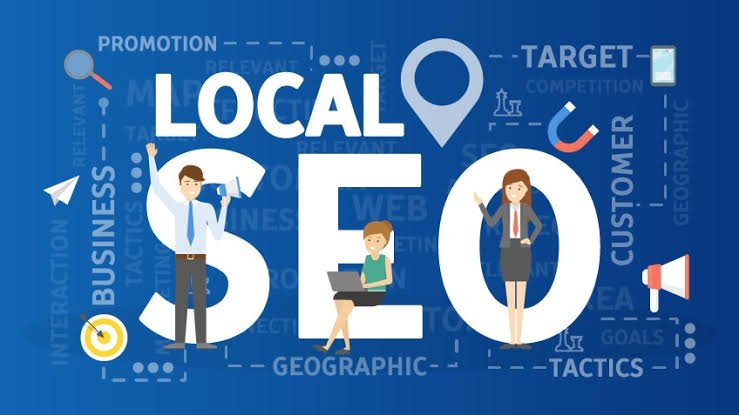
2. Off-Page SEO
Off-page SEO focuses on activities outside your website that improve authority.
Examples include:
- Building quality backlinks
- Guest blogging
- Brand mentions
- Social media sharing
- Influencer collaborations
High-quality backlinks from trusted websites signal credibility to search engines.
3. Technical SEO
Technical SEO S earch Engine Optimization) improves your website’s infrastructure.
It includes:
- Fast loading speed
- Mobile-friendly design
- Secure HTTPS connection
- XML sitemap
- Robots.txt optimization
- Structured data (Schema Markup)
- Fixing broken links
Technical SEO helps search engines crawl and index your website more efficiently.
Keyword Research
Keyword research is the foundation of every successful SEO strategy.
There are three common keyword types:
Short-Tail Keywords
Example:
- SEO
- Marketing
- Website
These keywords have high search volume but strong competition.
Medium-Tail Keywords
Example:
- Search Engine Optimization
- SEO Services
- Website Optimization
They provide a balance between search volume and competition.
Long-Tail Keywords
Example:
- Search Engine Optimization for Small Business
- Beginner SEO Guide
- How to Improve Google Rankings
Long-tail keywords often convert better because they target specific user needs.
Best SEO Practices
Follow these proven SEO techniques to improve your rankings.
Create High-Quality Content
Write content that answers users’ questions clearly and completely.
Optimize Your Headings
Use one H1 heading and organize the rest of your content using H2 and H3 headings.
Use Keywords Naturally
Include your focus keyword throughout the article without overusing it.
Optimize Images
Compress images before uploading them and use descriptive file names and alt text.
Improve Website Speed
A fast-loading website provides a better user experience and supports higher rankings.
Make Your Website Mobile-Friendly
Most users browse on smartphones, making mobile optimization essential.
Add Internal Links
Link to related articles on your website to improve navigation and SEO.
Add External Links
Link to reliable, authoritative websites when citing facts or providing additional resources.
Common SEO Mistakes
Many beginners make avoidable SEO mistakes.
Avoid:
- Keyword stuffing
- Duplicate content
- Ignoring mobile optimization
- Missing meta descriptions
- Slow website speed
- Broken links
- Poor website structure
- Publishing low-quality content
Correcting these issues improves both user experience and search engine performance.
Essential SEO Tools
Professional marketers use various tools to optimize websites.
Popular SEO tools include:
- Google Search Console
- Google Analytics
- Yoast SEO
- Ubersuggest
- SEMrush
- Ahrefs
- Screaming Frog SEO Spider
These tools help monitor rankings, identify technical issues, and discover keyword opportunities.
Future of SEO
SEO continues to evolve with changes in technology and user behavior.
Emerging trends include:
- Artificial Intelligence (AI)
- Voice Search Optimization
- Visual Search
- Core Web Vitals
- User Experience (UX)
- Helpful, people-first content
- E-E-A-T (Experience, Expertise, Authoritativeness, and Trustworthiness)
Staying updated with these trends will help maintain strong search rankings in the future.
Frequently Asked Questions
What is Search Engine Optimization?
Search Engine Optimization is the practice of improving a website so it ranks higher in search engine results and attracts more organic visitors.
How long does SEO take?
Most websites begin seeing noticeable improvements within three to six months, depending on competition and content quality.
Is SEO better than paid advertising?
SEO delivers long-term organic traffic, while paid advertising generates immediate results. Using both strategies together often produces the best outcome.
Can beginners learn SEO?
Yes. Anyone can learn SEO by understanding keyword research, on-page optimization, technical SEO, and content creation. if you want learn basic SEO you can visit this website
Final Thoughts
Search Engine Optimization is one of the most valuable investments for any website or online business. A strong SEO strategy helps increase visibility, attract qualified visitors, and build long-term credibility without relying entirely on paid advertising. By consistently publishing high-quality content, optimizing your pages, improving technical performance, and earning quality backlinks, you can achieve sustainable growth in search engine rankings.
Whether you are a beginner, blogger, or business owner, mastering Search Engine Optimization will help you stay competitive in the digital world. SEO is an ongoing process that requires patience, continuous learning, and regular optimization. Start implementing these best practices today, monitor your results, and refine your strategy over time to achieve lasting online success. By consistently applying Search Engine Optimization best practices, you can improve your website’s rankings, increase organic traffic, and achieve long-term online success.
If you are intreseted in leaning SEO contact us

Hi, this is a comment.
To get started with moderating, editing, and deleting comments, please visit the Comments screen in the dashboard.
Commenter avatars come from Gravatar.