
Digital Marketing for Small Businesses: A Complete Guide to Growing Your Business in 2026
Learn how digital marketing for small businesses can increase website traffic, generate quality leads, improve brand awareness, and boost sales with proven strategies in 2026.
In today’s competitive online world, digital marketing for small businesses is no longer optional—it is essential. Whether you own a retail store, restaurant, startup, or service-based company, having a strong online presence helps you reach more customers, build trust, and increase sales. Traditional marketing methods such as newspapers and billboards still have value, but digital marketing provides measurable results at a much lower cost.
Small businesses often work with limited budgets. Digital marketing allows them to compete with larger companies by targeting the right audience through search engines, social media, email campaigns, and content marketing. This guide explains the most effective digital marketing strategies and how you can use them to grow your business in 2026. What Is Digital Marketing?
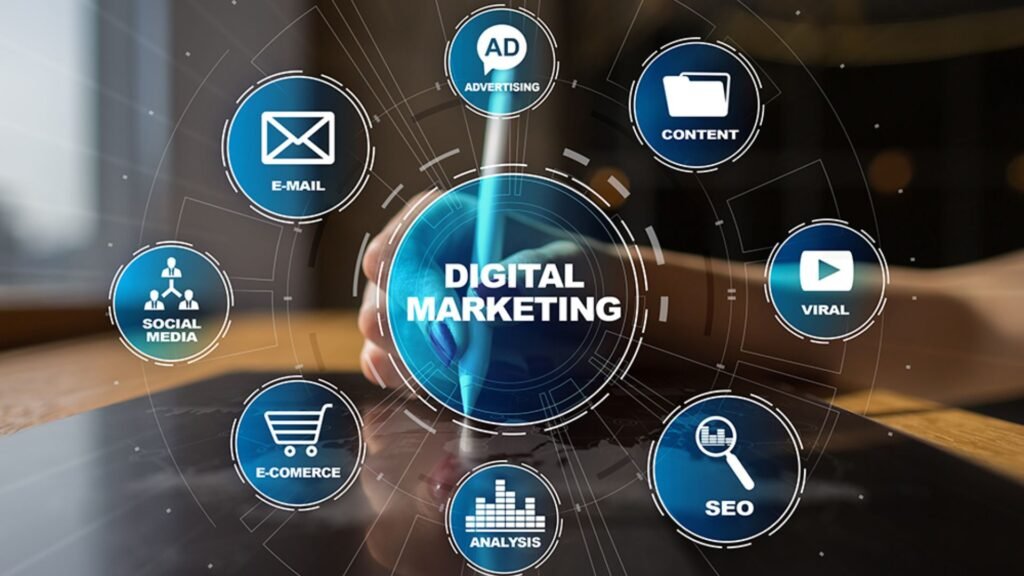
Digital marketing is the process of promoting products or services using online channels such as search engines, websites, social media platforms, email, and paid advertisements. It helps businesses connect with potential customers where they spend most of their time—online.
The biggest advantage of digital marketing is that every campaign can be tracked. You can measure website visitors, clicks, conversions, and customer engagement, making it easier to improve your marketing strategy.
Why Digital Marketing Is Important for Small Businesses
Digital marketing provides several benefits that help small businesses grow faster.
- Builds brand awareness
- Reaches customers locally and globally
- Generates high-quality leads
- Improves customer engagement
- Increases website traffic
- Produces measurable results
- Offers cost-effective advertising
By investing in digital marketing, small businesses can compete with larger brands without spending huge amounts on advertising.
Search Engine Optimization (SEO)
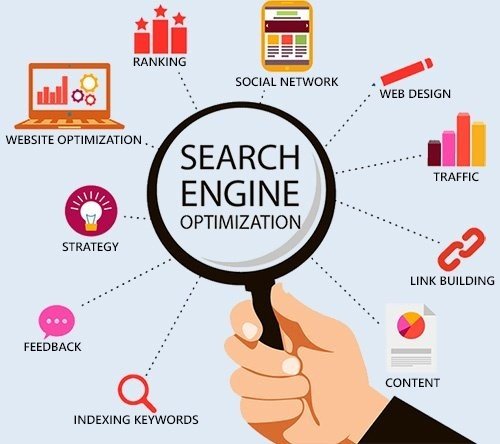
Search Engine Optimization, commonly known as SEO, is the practice of improving your website so it ranks higher on search engines like Google.
SEO includes:
- Keyword research
- Optimized page titles
- Meta descriptions
- High-quality content
- Internal linking
- Image optimization
- Fast website speed
- Mobile-friendly design
When your website ranks higher in search results, more potential customers can discover your business without paying for every click.
Content Marketing
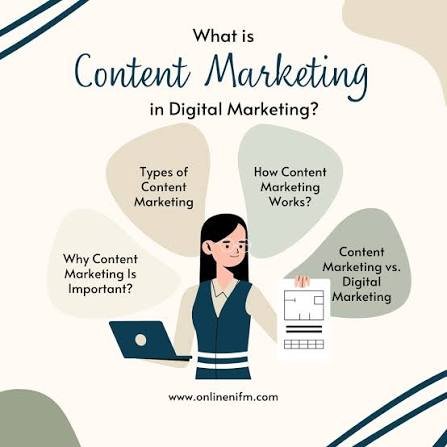
Content marketing focuses on creating valuable information that answers customer questions and solves their problems.
Examples include:
- Blog articles
- How-to guides
- Videos
- Infographics
- Case studies
- E-books
Publishing helpful content regularly improves your SEO, builds authority, and encourages visitors to trust your brand.
Social Media Marketing
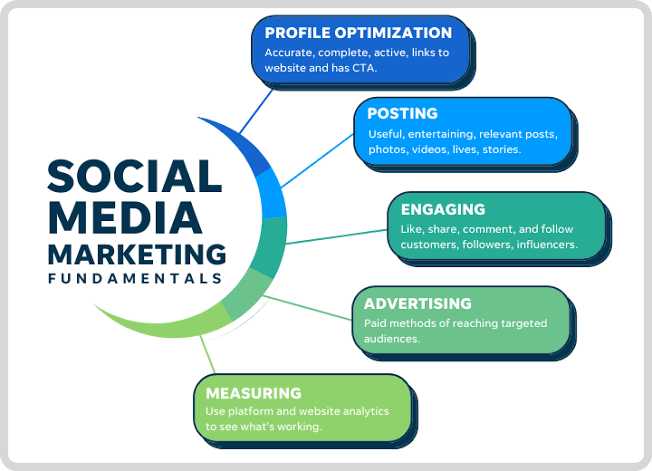
Social media platforms allow businesses to communicate directly with customers.
Popular platforms include:
- X
- YouTube
Posting educational content, customer testimonials, product updates, and behind-the-scenes photos helps build a loyal audience. Consistency is more important than posting frequently.
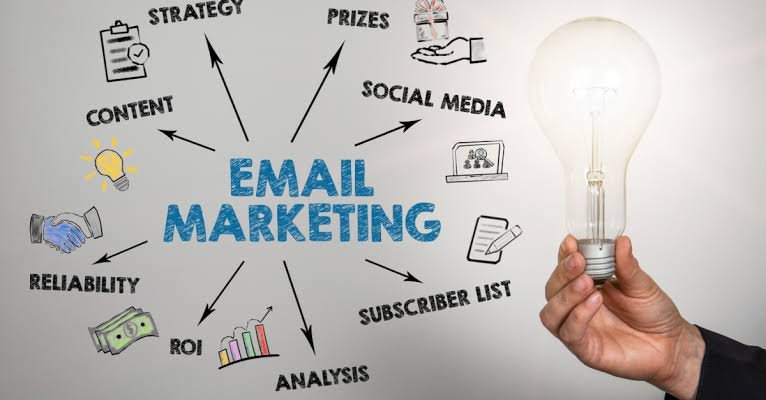
Email Marketing
Email marketing remains one of the highest-return digital marketing channels.
You can use email to:
- Welcome new subscribers
- Share blog articles
- Announce product launches
- Offer discounts
- Send newsletters
- Request customer feedback
Personalized email campaigns increase customer retention and encourage repeat purchases.
Pay-Per-Click (PPC) Advertising
PPC advertising allows businesses to display ads on search engines and social media platforms. You pay only when someone clicks your advertisement.
Popular PPC platforms include:
- Google Ads
- Facebook Ads
- Instagram Ads
- LinkedIn Ads
PPC is especially useful for generating leads quickly while your SEO strategy builds long-term organic traffic.
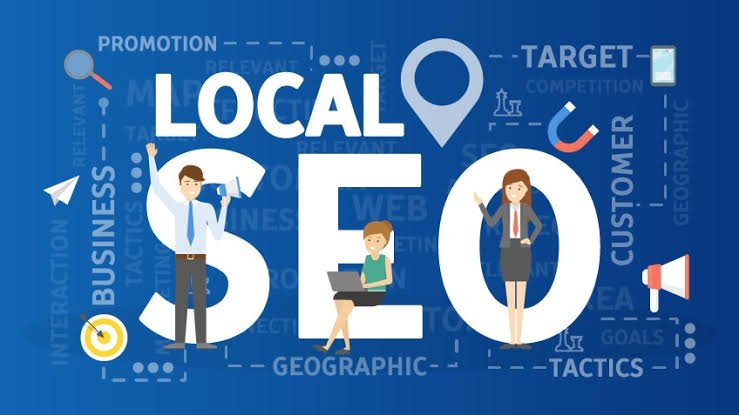
Local SEO
Local SEO helps businesses appear in searches such as “coffee shop near me” or “digital marketing agency nearby.”
To improve Local SEO:
- Create a Google Business Profile
- Collect customer reviews
- Use local keywords
- Keep contact information consistent
- Add your business to local directories
Local SEO is essential for businesses serving customers within a specific area.
Common Digital Marketing Mistakes
Many small businesses make mistakes that reduce their online success.
Avoid these common issues:
- Ignoring SEO
- Publishing low-quality content
- Not having a mobile-friendly website
- Posting inconsistently on social media
- Ignoring website analytics
- Using too many keywords unnaturally
- Forgetting to optimize images
Avoiding these mistakes can significantly improve your marketing performance.
Best Digital Marketing Tools
Several tools make digital marketing easier.
- Google Analytics
- Google Search Console
- Canva
- SEMrush
- Ubersuggest
- Mailchimp
- WordPress
- Yoast SEO
These tools help track performance, optimize content, and improve search rankings.
Future Trends in Digital Marketing
Digital marketing continues to evolve every year.
Important trends include:
- Artificial Intelligence (AI)
- Voice search optimization
- Video marketing
- Short-form content
- Personalized customer experiences
- Marketing automation
- Interactive content
Businesses that adopt these trends early will have a competitive advantage.
Frequently Asked Questions
What is digital marketing?
Digital marketing is the promotion of products and services through online channels such as websites, search engines, social media, and email.
Is digital marketing good for small businesses?
Yes. It is affordable, measurable, and helps businesses reach highly targeted audiences.
How long does SEO take?
Most SEO campaigns begin showing noticeable improvements within three to six months, depending on competition and website quality.
Which digital marketing strategy is best?
A combination of SEO, content marketing, social media marketing, email marketing, and PPC usually delivers the best results.
Conclusion
Digital marketing for small businesses is one of the most effective ways to increase visibility, attract new customers, and grow revenue. By combining SEO, content marketing, social media, email campaigns, local SEO, and paid advertising, businesses can build a strong online presence and compete successfully in today’s digital marketplace.
If you are also looking to join a digital marketing , contact us:
Final Thoughts
Digital marketing for small businesses is one of the most effective ways to build brand awareness, attract new customers, and achieve sustainable business growth in today’s competitive online marketplace. By combining proven strategies such as Search Engine Optimization (SEO), content marketing, social media marketing, email marketing, and paid advertising, small businesses can reach their target audience without requiring a massive marketing budget.
Success in Digital Marketing for Small Businesses doesn’t happen overnight. It requires consistency, high-quality content, regular performance analysis, and adapting to changing customer behavior and search engine algorithms. Businesses that invest in creating valuable content, optimizing their websites, and engaging with customers across multiple digital channels are more likely to improve their online visibility and generate long-term results.
Whether you’re just starting your business or looking to expand your online presence, implementing the right digital marketing for small businesses strategies today will help you stay ahead of the competition and build lasting relationships with your customers. Start with a clear marketing plan, measure your results regularly, and continue refining your approach to achieve sustainable growth and long-term success.